

Similarities between TCM and Traditional Hellenic Medicine
postponed (later date to be announced yet)
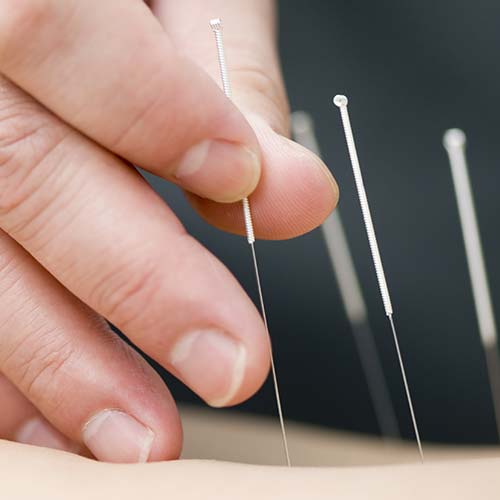
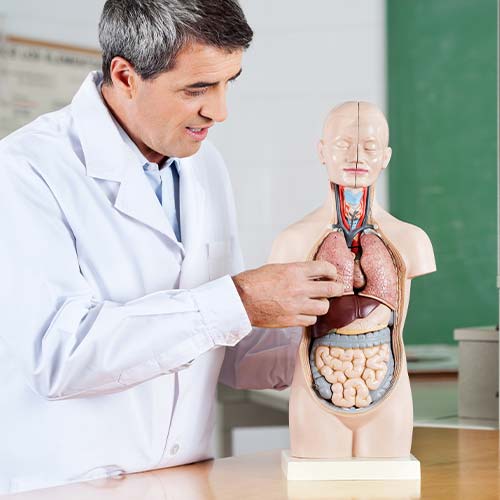
After many years of teaching the fundamental theory of Traditional Chinese Medicine (TCM), practising acupuncture, and conducting research into Traditional Hellenic Medicine, Alexandros Tilikidis has identified numerous similarities and cross-connections between these two medical systems. Gaining an understanding of these connections can be highly beneficial for Western TCM students and practitioners, as it provides deeper insight and enhances their ability to integrate knowledge across different medical traditions.
Learning Objectives
• To highlight the similarities between these two distinct medical systems.
• To help students gain a deeper understanding of TCM through cross-cultural comparisons.
• To enhance students’ ability to make meaningful connections between TCM concepts and Western medical ideas.
Seminar Outline
First Day:
1. Brief Introduction
2. Yin–Yang, Water–Fire
3. Four Elements – Four Humors; Five Phases (Wu Xing)
4. Concept of Jing
5. TCM Syndromes in Relation to Hippocratic Ideas of Excess and Deficiency
6. Similarities in the Use of Herbs
7. The Spleen: Understanding why the Zang Organ Pi is translated as “Spleen”
8. The Trinity of the Human Body (Timaeus – Plato)
Second Day:
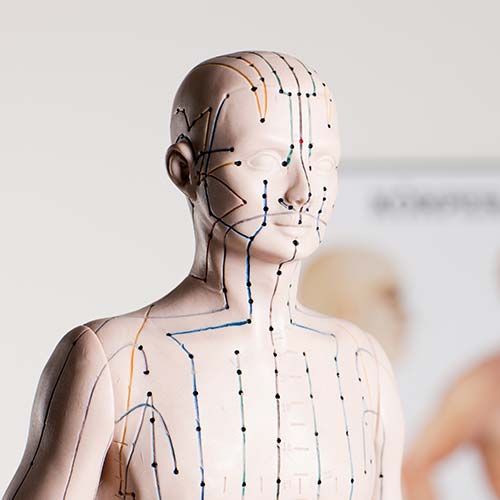
1. The Hippocratic Meridian Network
2. The course of each Meridian and key Acupuncture Points
Price
Student discount
Shenzhou student: 15%
External TCM student 5%
(Limited places available for students)
Please see the payment and registration conditions for seminars in the registration form.
Accreditation
- NVA AT/WM, Zhong Cat.3 - 14 NAPs, NWP, LVNT, VBAG, TCMned
Dates & Time
10 am – 17 pm (1 hour break)
Location
Geldersekade 67, 1011 EK Amsterdam
Language
Levels of experience
- Acupuncturist, Herbalist or final year student
- Acupucunturist, Herbalist or Tuina therapist
- Shiatsu therapist
Number of participants
More TCM seminars

Acupuncture for Liver Disorders in Traditional Chinese Medicine
This seminar aims to provide participants with a practical understanding of diagnosing and treating Liver disorders using TCM acupuncture. Participants will explore classical TCM concepts, learn modern clinical applications, and develop skills to integrate acupuncture with other therapeutic approaches.
By the end of the seminar, participants will be able to:
• Understand the TCM theoretical framework for Liver disorders, including pathogenesis and syndrome differentiation.
• Identify key acupuncture points and techniques for common Liver conditions.
• Develop structured clinical pathways for assessment, treatment planning, and patient management.
• Integrate acupuncture with Chinese herbal Medicine and lifestyle interventions.
• Apply evidence-informed strategies to monitor and adapt treatment outcomes.
Read more >
Wrist-Ankle Acupuncture
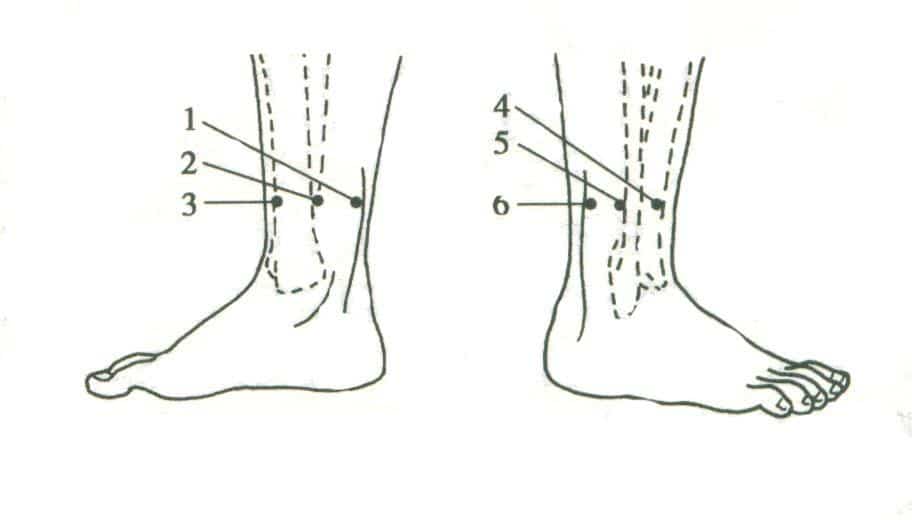
Wrist-Ankle Acupuncture (WAA) is an acupuncture technique invented in 1975 by Professor Zhang Xinshu. WAA involves the stimulation of 12 acupuncture points located in the wrist and ankle through the insertion of subcutaneous needles that are left in place and crusted over. It is a completely painless technique and is widely used in clinical practice, particularly for musculoskeletal disorders, but also for internal medicine in combination with somatic acupuncture. During the seminar, the main applications of this method will be illustrated, and a lot of attention and space will be given to the practical part and the methodology of needle insertion.
Read more >
Fu’s Subcutaneous Needling Technique
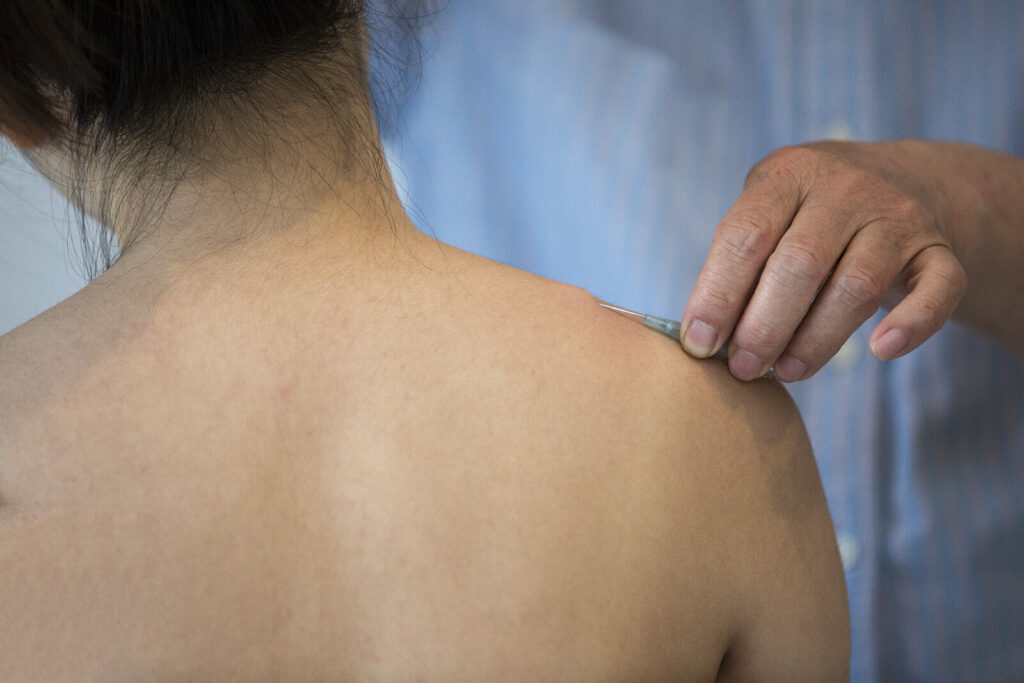
In this two-days seminar, Dr. Wu will introduce the theories behind FSN and discuss its classical and scientific background. He will also demonstrate the FSN technique on patients and conduct hands-on practice on how to use and manipulation the technique.
Fu’s Subcutaneous Needling (FSN) is a newly developed acupuncture therapy by Dr Zhong-hua Fu in the 1990s. This acupuncture therapy uses a modified acupuncture needle to stimulate areas adjacent to tightened muscles so as to treat musculoskeletal and other conditions.
Read more >