



Chinese geneeskunde studeren?
Volg een SNRO erkende opleidingen op HBO-niveau
Shenzhou Open University of TCM is één van de door SNRO geaccrediteerde onderwijsinstellingen van Traditionele Chinese Geneeskunde (TCG) in Nederland en biedt een uniek curriculum aan van opleidingen op HBO-niveau.
- RMeer dan 30 jaar expertise
- RHBO-conforme opleiding
- RStage in eigen kliniek
Ook organiseren wij regelmatig TCM seminars en MBK nascholingen. We hopen u met ons aanbod van dit seizoen een goede keuze te kunnen bieden.
Opleidingen in Chinese Geneeskunde
We bieden een compleet pakket met praktische training, zodat u zich kunt inschrijven als therapeut bij een beroepsvereniging en uw eigen kliniek kunt starten na voltooiing van de studie.
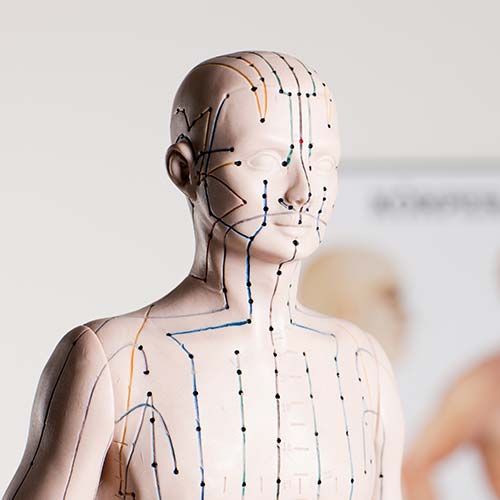
Basisopleiding Chinese Geneeskunde
Doel van de opleiding Basis Chinese Geneeskunde is het bieden van kennis van de grondbeginselen van de Chinese Geneeskunde. Dit onderdeel is noodzakelijk als basis voor verdere studie in de richtingen Acupunctuur, Chinese Kruidengeneeskunde of Tuina.
Meer informatie
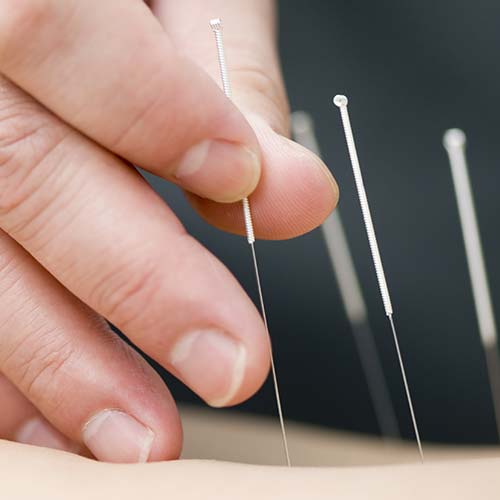
Acupunctuur
De opleiding acupunctuur biedt zowel inzicht in de klassieke methoden als in de moderne ontwikkelingen van de Traditionele Chinese Geneeskunde. Na voltooiing van de studie beschik je over alle vaardigheden voor het toepassen van acupunctuur in de praktijk.
Meer informatie
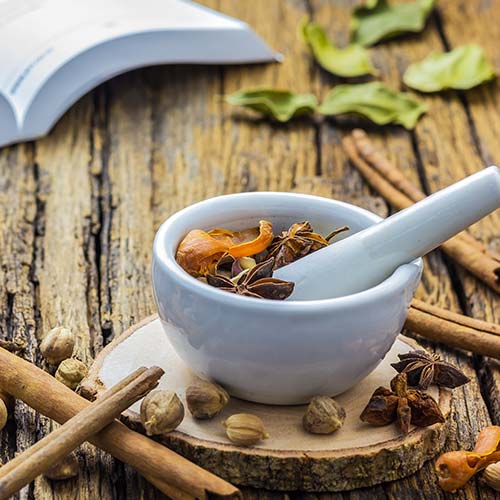
Chinese Kruidengeneeskunde
2 jaar
In de opleiding Chinese Kruidengeneeskunde maak je kennis met de rijke wereld van Chinese kruiden. Je leert om ze zelfstandig, op een veilige en effectieve manier toe te passen in de praktijk.
Meer informatie
Tuina-massage
1 jaar
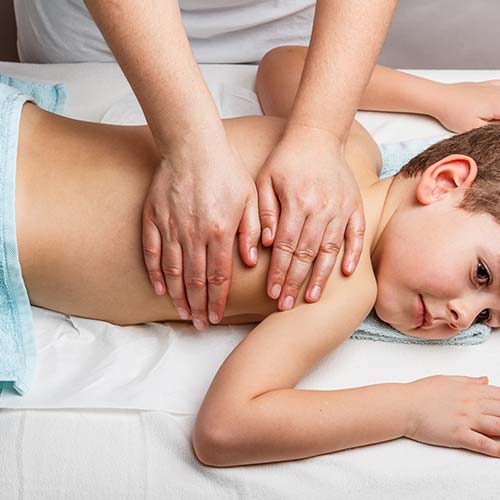
In deze opleiding leer je de technieken van de Tuina- massage. Hierbij ligt de nadruk op kennis van de meridianen en acupunctuurpunten. Je leert de technieken in te zetten bij de behandeling van veel voorkomende ziektes. Tuinamassage kan worden toegepast bij volwassenen en is vooral ook heel geschikt voor kinderen.
Meer informatie
Medische Basiskennis
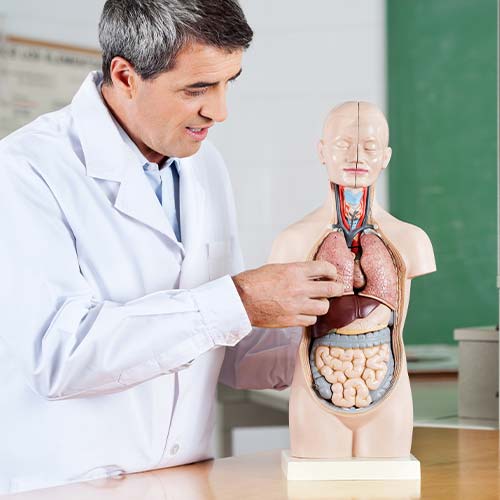
De intensieve opleiding Medische Basiskennis is ontwikkeld voor studenten uit verschillende richtingen van de complementaire geneeskunde met als doel het verkrijgen van een hoog kennisniveau van de anatomie, fysiologie en pathologie.
Meer informatie

Meer dan 30 jaar expertise

SNRO geaccrediteerd

Stage in eigen kliniek

Zeer ervaren docententeam
TCM Seminars
Shenzhou Open University of TCM organiseert regelmatig TCM- en Western Medicine-seminars. Met ons programma voor dit seizoen hopen we je een goede keuze te bieden.

Acupuncture for Liver Disorders in Traditional Chinese Medicine
This seminar aims to provide participants with a practical understanding of diagnosing and treating Liver disorders using TCM acupuncture. Participants will explore classical TCM concepts, learn modern clinical applications, and develop skills to integrate acupuncture with other therapeutic approaches.
By the end of the seminar, participants will be able to:
• Understand the TCM theoretical framework for Liver disorders, including pathogenesis and syndrome differentiation.
• Identify key acupuncture points and techniques for common Liver conditions.
• Develop structured clinical pathways for assessment, treatment planning, and patient management.
• Integrate acupuncture with Chinese herbal Medicine and lifestyle interventions.
• Apply evidence-informed strategies to monitor and adapt treatment outcomes.
Read more >
Wrist-Ankle Acupuncture
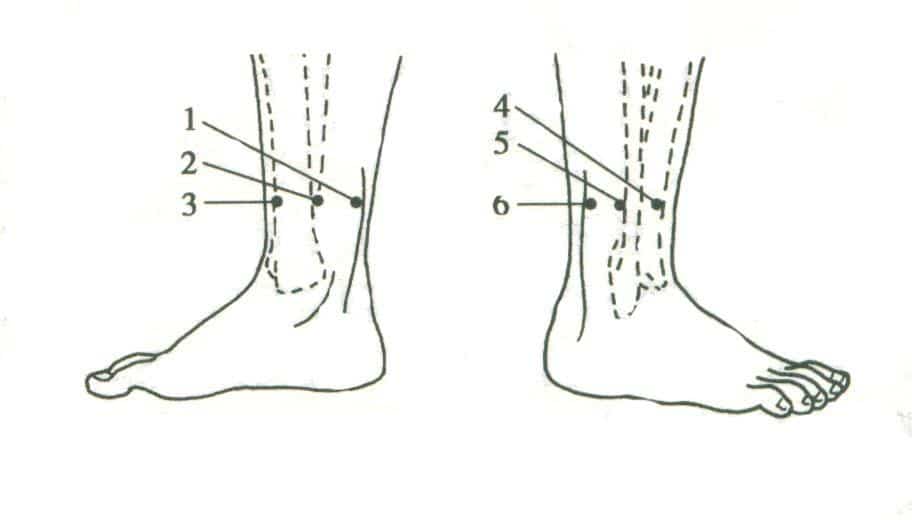
Wrist-Ankle Acupuncture (WAA) is an acupuncture technique invented in 1975 by Professor Zhang Xinshu. WAA involves the stimulation of 12 acupuncture points located in the wrist and ankle through the insertion of subcutaneous needles that are left in place and crusted over. It is a completely painless technique and is widely used in clinical practice, particularly for musculoskeletal disorders, but also for internal medicine in combination with somatic acupuncture. During the seminar, the main applications of this method will be illustrated, and a lot of attention and space will be given to the practical part and the methodology of needle insertion.
Read more >
Fu’s Subcutaneous Needling Technique
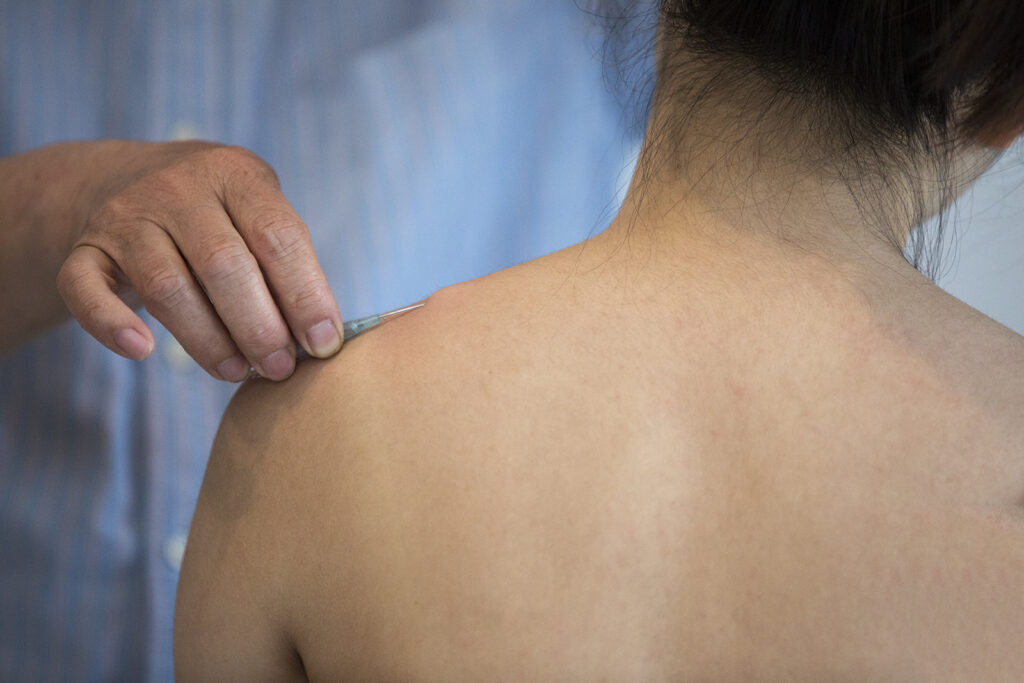
In this two-days seminar, Dr. Wu will introduce the theories behind FSN and discuss its classical and scientific background. He will also demonstrate the FSN technique on patients and conduct hands-on practice on how to use and manipulation the technique.
Fu’s Subcutaneous Needling (FSN) is a newly developed acupuncture therapy by Dr Zhong-hua Fu in the 1990s. This acupuncture therapy uses a modified acupuncture needle to stimulate areas adjacent to tightened muscles so as to treat musculoskeletal and other conditions.
Read more >
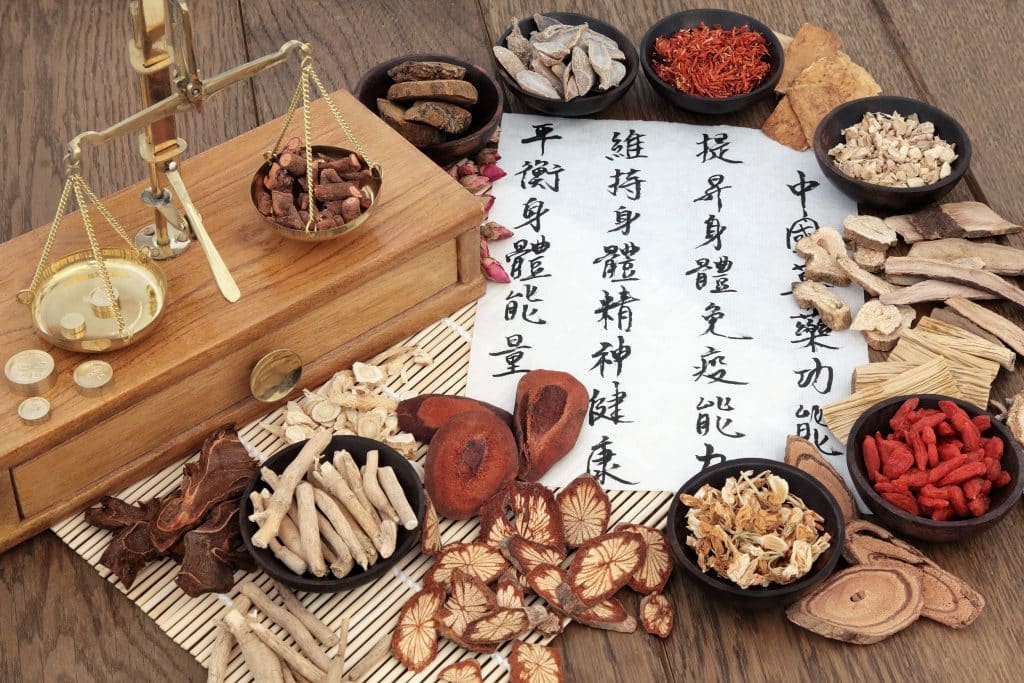
Traditional Formulae for Treating Modern Diseases
In the busy setting of an acupuncture practice, a TCM practitioner can at times use ready-made Chinese herbal medicines (patent formulas) to enhance and consolidate the therapeutic effects of acupuncture, or to compensate for acupuncture’s limitations so as to treat a patient’s condition more comprehensively.
In this two-day lecture, Dr. Yang will introduce 25 traditional and modern Chinese patent medicines that can be used either individually or in pairs to treat the most common conditions encountered in an acupuncture practice.
Read more >
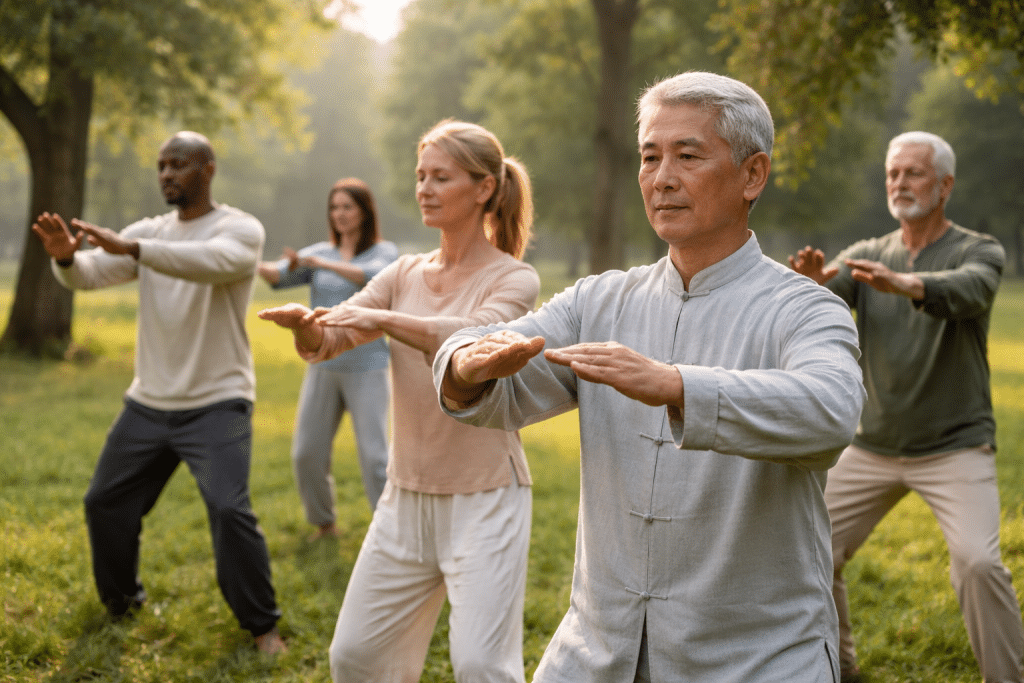
Basic Introduction to Qigong
This course introduces the principles and techniques of Qigong, focusing on self-improvement and the cultivation of energy and vitality in support of health and well-being. It may be of particular interest to practitioners of Traditional Chinese Medicine (TCM), including acupuncturists, who wish to strengthen their own Qi and develop the ability to guide patients in simple Qigong practices (see Medical Qigong) as part of a broader therapeutic approach.
The training includes a range of methods such as standing, sitting, lying, and moving exercises, each aimed at supporting internal balance and practical application.
The course is intended as a foundational introduction and does not require prior experience with Qigong.
Read more >
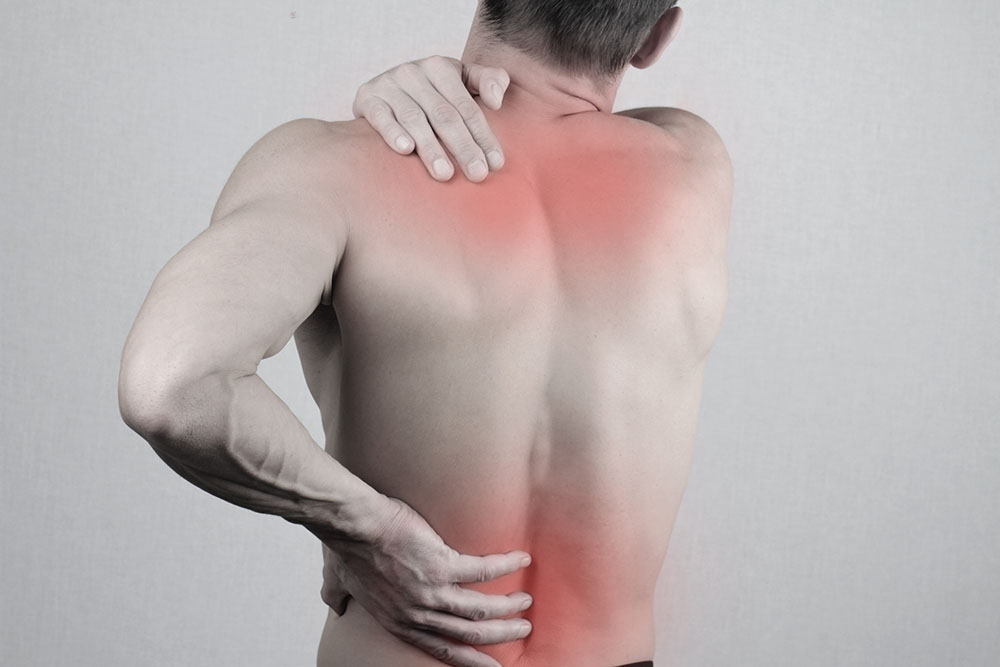
Pain, new insights
Within the physiology and the pathophysiology the phenomenon pain has since long time been explained from the ‘tissue damage – cable model’. Think for example of the five characteristics of the physiological response to tissue damage: rubor, tumor, calor, dolor and function laesa. Neurosciences attributed to the notion that there is not a one-to-one relation between tissue damage and pain. Perhaps even without being aware, therapists may apply neuroscientific insights in several complementary medicine therapies.
Read more >
(incl. Medische Basiskennis 40 EC)
Meer informatie over SOU
Met 30 jaar onderwijservaring, hebben we een uitstekende reputatie in ons vakgebied opgebouwd, waar zowel de school als de alumni trots op zijn.