Nascholing
TCM & Westers Medisch
Shenzhou Open University organiseert regelmatig seminars over TCM en westerse geneeskunde. Met ons programma voor dit seizoen hopen we u een goede keuze te bieden. Nieuwe ontwikkelingen in TCM, evenals de belangstelling van onze deelnemers voor onderwerpen, motiveren ons om naar nieuwe thema’s voor onze seminars te zoeken. Bekende internationale artsen, professoren en therapeuten worden uitgenodigd om interessante seminars voor u aan te bieden.
Blijf op de hoogte
Registreer voor onze nieuwsbrief
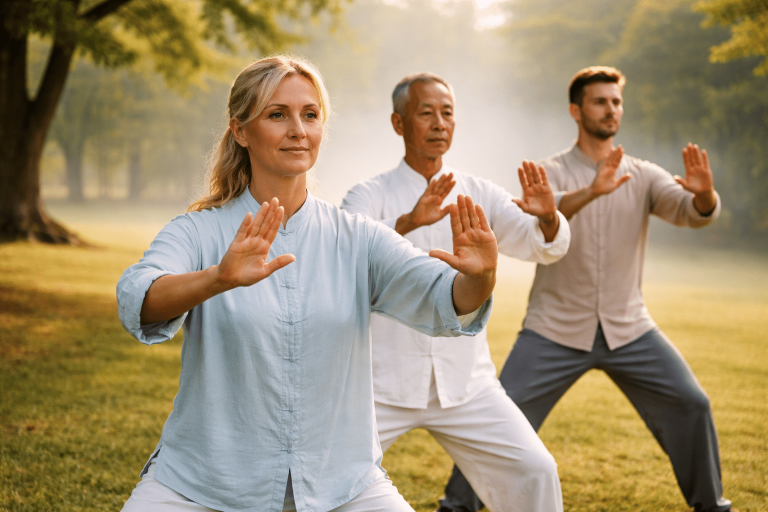
Qigong Health Exercises
Medical Qigong is one of the oldest therapeutic methods within Traditional Chinese Medicine. It has long been applied both for the personal development of practitioners and as a supportive approach in patient care. This course offers a practical introduction to…
Lees meer-
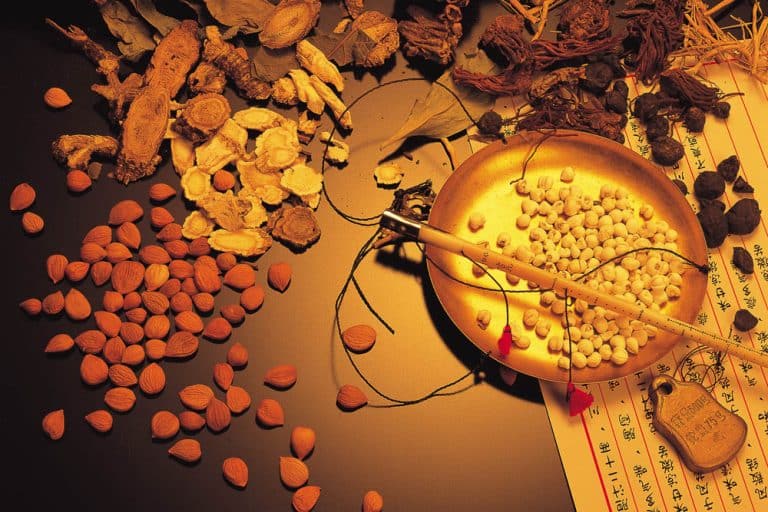
Clinical Application of MuChin master blends
Muchin was founded by Chief Physician Shaomin Xue, Dr. Anneleen Six and Anouk Lagae from a shared vision: to make the rich tradition of Chinese herbal medicine more accessible, practical and clinically applicable for practitioners working in a modern Western…
Lees meer 
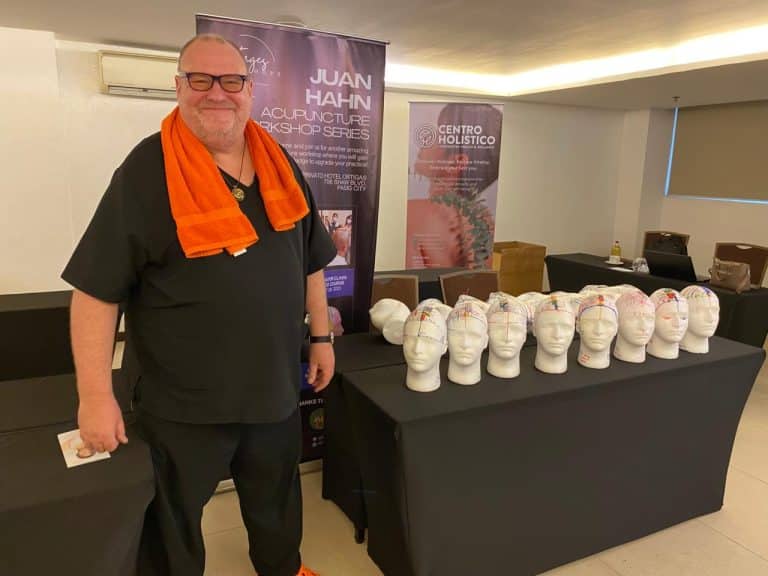
Neurofunctional Scalp Acupuncture (NFSA)
Contrary to common belief, Jiao Sunfa scalp acupuncture and Zhu scalp acupuncture are not limited to the treatment of neurological disorders. They can be applied equally effectively to conditions related to internal medicine, endocrine disorders, emotional disturbances, gynaecological conditions, and—of…
Lees meer
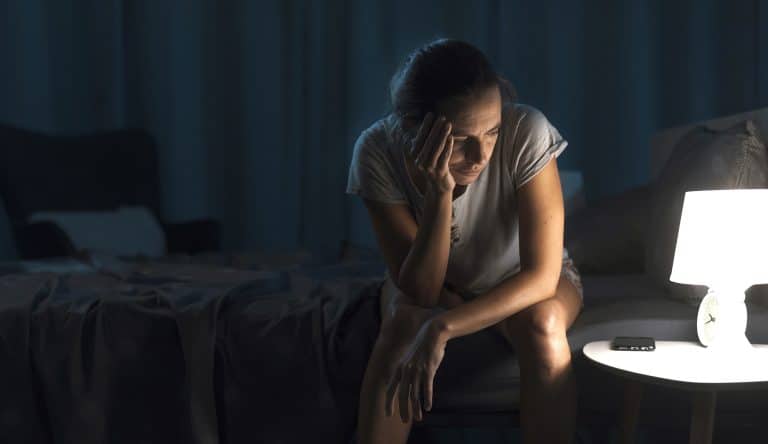
Sleep and Insomnia
Good Sleep is essential to maintain health and attain longevity, whereas poor-quality or insufficient sleep can endanger health and shorten the lifespan. Insomnia is the most common sleep disorder, affecting nearly one-third of adults. Insomnia can cause substantial harm to…
Lees meer-
Lower Limbs Musculoskeletal Pain – Mazzanti AcuOsteo Method
The seminar includes an extensive practical component, enabling acupuncture practitioners to confidently and effectively apply acupuncture and osteopathic techniques in their clinical practice from the very first day after the seminar. Dr. Umberto Mazzanti: "Musculoskeletal pain is one of the…
Lees meer 
Cosmetic Acupuncture
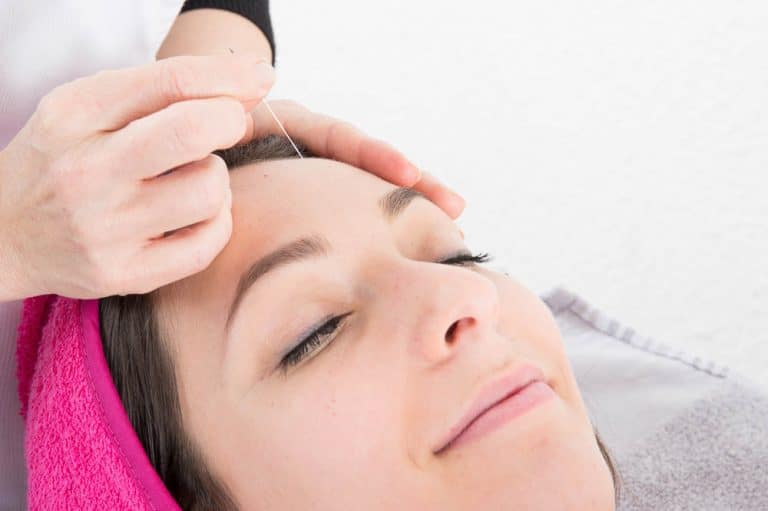
This 2-days workshop will introduce you to the world of Cosmetic Acupuncture. In addition to the theory, we will mainly focus on the application of various techniques in cosmetic acupuncture. Cosmetic acupuncture is a safe and interesting alternative to fillers…
Lees meer
Syndrome Differentiation made Easy
Syndrome differentiation (Bian Zheng Lun Zhi), or pattern diagnosis, is at the core of TCM practice. It connects diagnosis and treatment by analysing clinical information gathered through the four diagnostic techniques. Yet, the absence of standardised diagnostic criteria often makes…
Lees meer
How to run your Practice successfully
Starting your own practice requires more than professional expertise. It also means becoming an entrepreneur. This seminar provides therapists with practical tools and insights to successfully set up and run their own practice. Topics include entrepreneurship, collaboration, attracting clients, practice…
Lees meer