



Fu’s Subcutaneous Needling Technique
2 & 3 May 2026 Jidong Wu
In this two-days seminar, Dr. Wu will introduce the theories behind FSN and discuss its classical and scientific background. He will also demonstrate the FSN technique on patients and conduct hands-on practice on how to use and manipulation the technique.
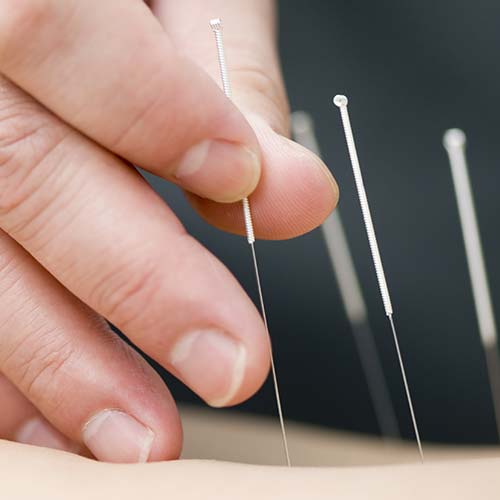
Fu’s Subcutaneous Needling (FSN) is a newly developed acupuncture therapy by Dr Zhong-hua Fu in the 1990s. This acupuncture therapy uses a modified acupuncture needle to stimulate areas adjacent to tightened muscles so as to treat musculoskeletal and other conditions.
The FSN therapy only inserts a single trocar needle horizontally to the subcutaneous tissue and therefore it causes less pain to the patients.
FSN therapy is a very safe practice and extremely beneficial to those suffering from musculoskeletal conditions. For some acute pain conditions, such as muscular and ligaments strains, tennis elbow, or acute back pain, using the FSN technique can produce almost instant pain relief. Once you have gained this skill, you certainly can repeat this effect confidently.
The FSN needle is a specially made disposable dry needle, consisting of a solid stainless-steel needle and casting tube. The needle is delivered by a special designed delivery device which makes this needling insertion almost pain free.
The FSN technique mainly focuses on relieving muscles tension, which is commonly associated with pain. The FSN technique can be used to treat tennis elbow, shoulder pain, neck pain, low back pain, sciatica, fibromyalgia, trigeminal pain and even some so-called internal disorders such as insomnia, dizziness, tinnitus, diarrhea, heavy ureteral bleeding if a proper diagnosis and muscles assessment is made correctly.
Contents of the seminar
• Subcutaneous and Fascia tissue
• Muscles physiology and pathology
• Skill of insertion and manipulation
• Hands-on training and practice
• Commonly clinical conditions demonstration and management
- Jidong WuJidong Wu kwam in 1993 naar Engeland. Sindsdien is hij zowel in de praktijk als op academisch gebied actief geweest op het vakgebied TCG in Engeland. Hij was het hoofd van de Bachelor opleiding TCG aan de Middlesex University – de eerste TCG opleiding met een erkende graad in Europa.
Price
Student discount
Shenzhou student: 15%
External TCM student 5%
(Limited places available for students)
Please see the payment and registration conditions for seminars in the registration form.
Accreditation
- NVA A, Zhong 14 NAP Cat. 1
Dates & Time
10 am – 17 pm (1 hour break)
Location
Geldersekade 67, 1011 EK Amsterdam
Language
Levels of experience
- Acupuncturist, or final year student
Number of participants
More TCM seminars

Acupuncture for Liver Disorders in Traditional Chinese Medicine
This seminar aims to provide participants with a practical understanding of diagnosing and treating Liver disorders using TCM acupuncture. Participants will explore classical TCM concepts, learn modern clinical applications, and develop skills to integrate acupuncture with other therapeutic approaches.
By the end of the seminar, participants will be able to:
• Understand the TCM theoretical framework for Liver disorders, including pathogenesis and syndrome differentiation.
• Identify key acupuncture points and techniques for common Liver conditions.
• Develop structured clinical pathways for assessment, treatment planning, and patient management.
• Integrate acupuncture with Chinese herbal Medicine and lifestyle interventions.
• Apply evidence-informed strategies to monitor and adapt treatment outcomes.
Read more >
Wrist-Ankle Acupuncture
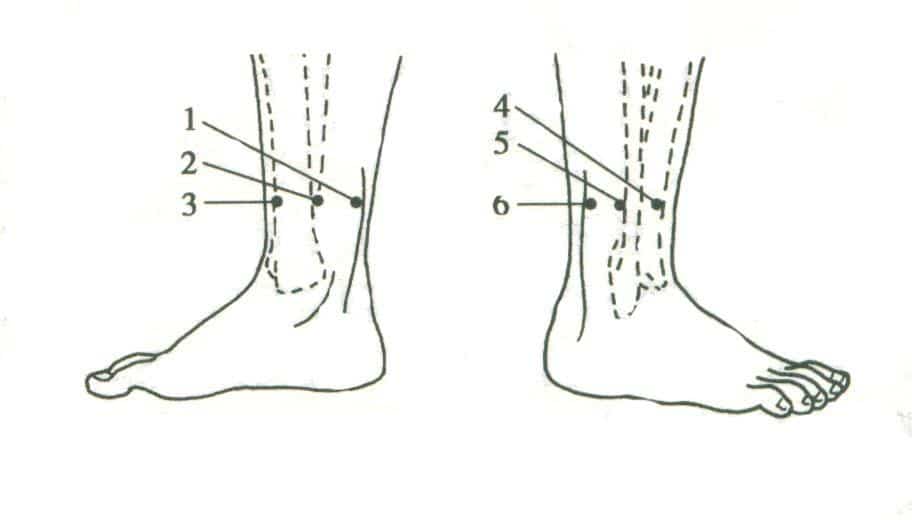
Wrist-Ankle Acupuncture (WAA) is an acupuncture technique invented in 1975 by Professor Zhang Xinshu. WAA involves the stimulation of 12 acupuncture points located in the wrist and ankle through the insertion of subcutaneous needles that are left in place and crusted over. It is a completely painless technique and is widely used in clinical practice, particularly for musculoskeletal disorders, but also for internal medicine in combination with somatic acupuncture. During the seminar, the main applications of this method will be illustrated, and a lot of attention and space will be given to the practical part and the methodology of needle insertion.
Read more >
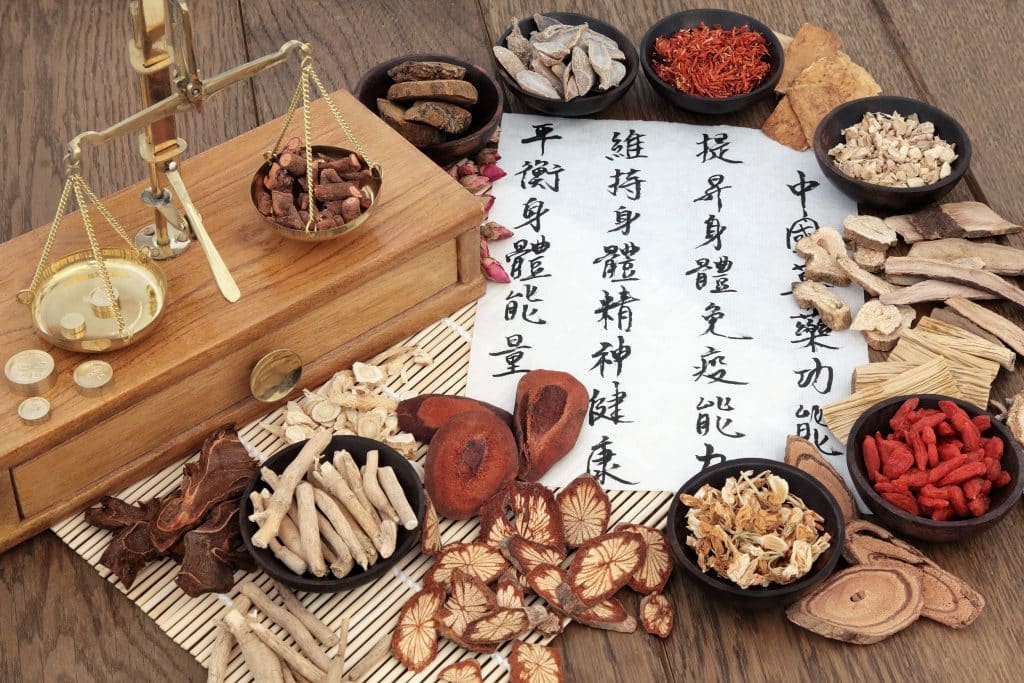
Traditional Formulae for Treating Modern Diseases
In the busy setting of an acupuncture practice, a TCM practitioner can at times use ready-made Chinese herbal medicines (patent formulas) to enhance and consolidate the therapeutic effects of acupuncture, or to compensate for acupuncture’s limitations so as to treat a patient’s condition more comprehensively.
In this two-day lecture, Dr. Yang will introduce 25 traditional and modern Chinese patent medicines that can be used either individually or in pairs to treat the most common conditions encountered in an acupuncture practice.
Read more >